


Updated June 2026 | No Fee Unless You Win
People who used Ozempic or Wegovy are reporting serious gastrointestinal injuries and sudden vision loss. Lawsuits allege that Novo Nordisk failed to adequately warn patients and doctors about these risks. Attorneys are reviewing claims from people who suffered qualifying injuries after using these medications.
Case at a Glance
- What’s Alleged: Novo Nordisk failed to adequately warn patients and doctors about serious gastrointestinal injuries and vision loss risks associated with Ozempic and Wegovy
- Qualifying Products: Ozempic and Wegovy, manufactured by Novo Nordisk only (compounded versions do not qualify)
- Qualifying Injuries: Gastroparesis, bowel obstruction, ileus, DVT, gallbladder disease, pancreatic cancer, vision loss, and more
- Key Requirement: Injuries must have had sudden onset following use of the qualifying drug
- Current Status: Active and growing litigation; new vision loss claims now being reviewed
- Cost to You: $0 upfront. Contingency fee only.
What Is the Ozempic and Wegovy Lawsuit About?
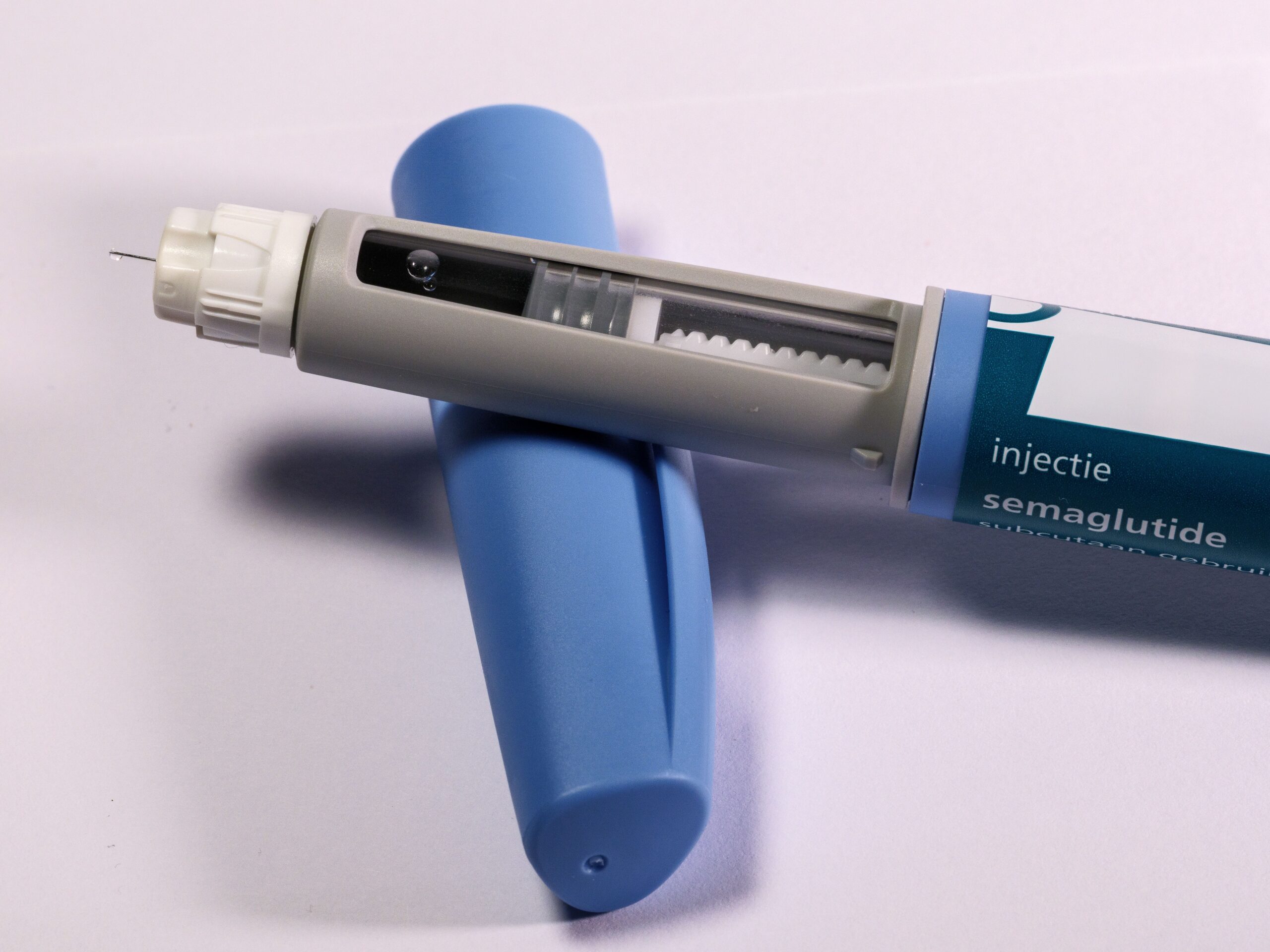
Ozempic and Wegovy became two of the most widely prescribed medications in the country over the past several years. Marketed for type 2 diabetes management and weight loss, both drugs belong to a class called GLP-1 receptor agonists. Their active ingredient, semaglutide, works in part by slowing how quickly the stomach empties food.
For millions of people, that mechanism worked as intended. But for a growing number of patients, plaintiffs allege that the stomach-slowing effect went far beyond what was disclosed, causing serious and in some cases permanent gastrointestinal damage. Lawsuits allege that Novo Nordisk, the manufacturer of both Ozempic and Wegovy, knew or should have known about these risks and failed to provide adequate warnings to patients and prescribing physicians.
More recently, a second category of claims has emerged involving vision loss. Public health sources and medical literature have raised concerns about a rare but serious optic nerve condition called NAION (nonarteritic anterior ischemic optic neuropathy) in patients using semaglutide medications. Lawsuits involving sudden or permanent vision changes are now being reviewed alongside the gastrointestinal claims.
The federal litigation is centralized in MDL No. 3094 in the Eastern District of Pennsylvania, which coordinates pretrial proceedings across individual cases filed nationwide. Each case remains an individual claim with its own facts, injuries, and circumstances. Litigation status may change as the MDL develops.
What Is an MDL?
An MDL, or multidistrict litigation, is not a class action. It is a way for federal courts to manage large numbers of similar individual lawsuits more efficiently by centralizing pretrial proceedings before one judge. Each plaintiff still has their own case with their own facts and damages. MDL No. 3094 in Pennsylvania currently coordinates Ozempic and related GLP-1 drug cases from across the country.
Which Products Are Covered?
Under current intake guidelines, only name-brand products manufactured by Novo Nordisk qualify. Compounded or generic versions of semaglutide do not qualify at this time. This distinction is subject to change as the litigation develops.
Qualifying Products
- Ozempic (name brand, manufactured by Novo Nordisk)
- Wegovy (name brand, manufactured by Novo Nordisk)
If you are unsure whether the version you used was name-brand or compounded, a case review can help clarify.
What Injuries May Qualify?
To qualify, the injured person must have a formal medical diagnosis and documented treatment for one of the qualifying conditions listed below. Injuries must have had a sudden onset following the use of Ozempic or Wegovy. Eligibility criteria may change as the litigation develops.
Gastrointestinal Injuries
- Gastroparesis requiring hospitalization
- Ileus or bowel obstruction
- GI injury requiring surgery
- Intraoperative pulmonary aspiration
- Persistent vomiting requiring hospitalization or emergency IV fluids
- Gallbladder disease and gallbladder removal before March 2022 (drug must have been used prior to removal)
Vision and Vascular Injuries
- Sudden blindness
- Optic nerve stroke
- Retinal stroke
- Visual acuity loss
- Color blindness
- Worsening of vision
- Ischemia to the optic nerve (NAION)
- Deep Vein Thrombosis (DVT)
Cancer
- Pancreatic cancer (must have taken the drug for at least 2 years before diagnosis and must have no prior history of cancer)
Key Requirement for All Injuries
- Injuries must have occurred with sudden onset following use of a qualifying Ozempic or Wegovy product
- Formal diagnosis and documented medical treatment are required for every qualifying injury
What Is Gastroparesis?
Gastroparesis means “stomach paralysis.” It is a condition where the stomach cannot empty itself of food in a normal way. Patients may experience severe nausea, vomiting, bloating, and an inability to eat. In serious cases it requires hospitalization, feeding tubes, or surgery. GLP-1 drugs like Ozempic work partly by slowing gastric emptying, which plaintiffs allege contributed to this condition in some users who were not adequately warned about the risk.
What Is NAION?
NAION stands for nonarteritic anterior ischemic optic neuropathy. It is a rare condition caused by reduced blood flow to the optic nerve, which can result in sudden and permanent vision loss. Medical and regulatory sources have noted an association between semaglutide medications and NAION. Plaintiffs in ongoing lawsuits allege that Novo Nordisk failed to warn patients about this risk. A diagnosis of NAION or other sudden vision changes following Ozempic or Wegovy use may qualify for a claim review.
Why These Cases Have Legal Weight
GLP-1 drugs like Ozempic and Wegovy carry a known mechanism of action that slows gastric emptying. That effect is not hidden. But plaintiffs allege the degree of risk, and the severity of the injuries it could cause in some patients, was not communicated with adequate clarity to doctors or patients before widespread use.
The FDA has updated Ozempic labeling to acknowledge reports of intestinal obstruction since the drug reached the market. Plaintiffs argue that update came too late and did not go far enough. In vision-loss cases, medical literature and regulatory sources have noted an association between semaglutide and NAION, which plaintiffs allege Novo Nordisk failed to disclose.
What the Lawsuits Allege
- Failure to Warn: Plaintiffs allege that Novo Nordisk knew or should have known about serious gastrointestinal and vision risks associated with Ozempic and Wegovy and failed to adequately warn patients and prescribing physicians in a timely or meaningful way.
- Defective Design: Some complaints allege that the drug’s mechanism of action created a foreseeable risk of serious injury that was not adequately addressed in the product’s design or warnings.
- Negligent Manufacturing and Marketing: Lawsuits claim that Novo Nordisk aggressively marketed Ozempic and Wegovy for weight loss to a broad consumer population without sufficiently communicating the risk profile associated with that expanded use.
- Products Liability: Plaintiffs argue that Ozempic and Wegovy were defective products as marketed because the warnings provided did not accurately reflect the known risks to users.
Subject to Change: The defendants involved, the legal theories being pursued, the qualifying injuries, and the status of MDL No. 3094 may all change as litigation develops. FDA labeling updates and new medical research may also affect the scope of these claims over time. This page will be updated regularly. A legal review is the best way to get current information specific to your situation.
Who May Have a Claim
A claim may be available for people who used name-brand Ozempic or Wegovy manufactured by Novo Nordisk and experienced a sudden-onset qualifying injury with a formal diagnosis and documented medical treatment. The injury must have occurred after starting the medication and must not be attributable to a pre-existing condition that predates drug use.
If a patient died from complications linked to Ozempic or Wegovy, family members or estate representatives may be able to file a wrongful death claim depending on the specific facts and applicable state law.
You do not need records gathered before reaching out. A case review can help identify what documentation may be needed and whether your situation may qualify.
Frequently Asked Questions
Does a compounded or generic version of semaglutide qualify for an Ozempic lawsuit?
No. Under current intake guidelines, only name-brand Ozempic and Wegovy manufactured by Novo Nordisk qualify. Compounded versions of semaglutide, which became widely available during drug shortages, do not qualify at this time. If you are unsure whether you used a name-brand or compounded version, your pharmacy records or prescription history can help clarify. A case review can also help assess what you have available.
Does prior weight loss surgery disqualify me from filing an Ozempic or Wegovy lawsuit?
Prior weight loss or bariatric surgery before starting Ozempic or Wegovy is a disqualifying factor for gastrointestinal claims under current guidelines. However, this disqualifier does not apply to vision-based claims. If your injury involves sudden vision loss, optic nerve damage, or related vision changes, prior bariatric surgery would not affect your eligibility. A case review can help determine which category your injury falls into and whether you may still qualify.
What medical records will I need to file an Ozempic or Wegovy injury lawsuit?
You do not need to have records gathered before speaking with an attorney. That said, the strongest claims typically involve pharmacy records showing use of the qualifying drug, medical records or emergency room notes documenting the injury, imaging or specialist evaluations such as a gastric emptying study, and evidence showing that symptoms appeared after starting the medication. An attorney can help identify what documentation exists and what may be needed to move forward.
How much does it cost to find out if I qualify for an Ozempic or Wegovy lawsuit?
Nothing. The case evaluation is free and confidential. If a case is accepted, attorneys work on a contingency fee basis, meaning there are no upfront costs and no legal fees unless the case results in a settlement or verdict in your favor. No outcome or recovery can be guaranteed.
Think You May Have a Case?
Our team works with people who have suffered serious injuries after using Ozempic or Wegovy. A case review is free, confidential, and comes with no obligation.
- A brief conversation about which product was used and what injury occurred
- No documents needed before we talk
- No fees unless your case results in a recovery
See if Your Situation Qualifies →
MDL deadlines and eligibility criteria may change. The sooner you reach out, the more options you may have.