


By Editorial Staff | Updated June 2026 | No Fee Unless You Win
Patients who underwent endoscopic procedures are reporting serious infections, organ damage, and life-threatening complications. Attorneys are reviewing claims against the manufacturers, distributors, and others involved in these procedures.
Case at a Glance
- What’s Alleged: Endoscopic devices were improperly cleaned or defectively designed, exposing patients to dangerous infections and other serious harm.
- Procedures Involved: Colonoscopy, ERCP, upper endoscopy, bronchoscopy, laparoscopy, and others performed from 2018 to present.
- Reported Injuries: Serious infections, sepsis, organ damage, superbug diagnosis, and death.
- Who May Be Liable: Device manufacturers, distributors, and others in the supply chain (subject to change as litigation develops).
- Current Status: Active investigations and litigation ongoing; status subject to change.
- Cost to You: $0 upfront. Contingency fee only.
What Is the Endoscopy Injury Lawsuit About?
Endoscopic procedures are among the most common medical procedures performed in the United States. Millions of people undergo colonoscopies, upper endoscopies, ERCPs, and other endoscopic exams every year. For most patients, these are routine. But for others, they have led to serious, sometimes life-altering complications.
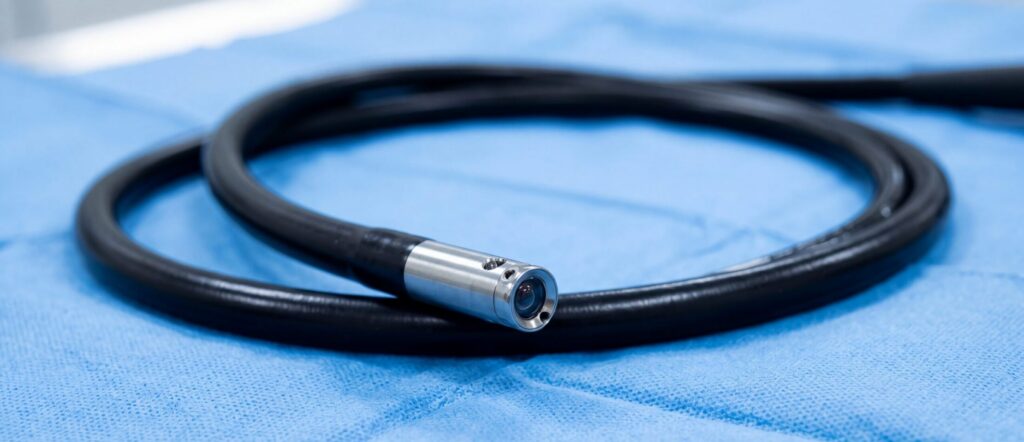
Lawsuits filed across the country allege that endoscopic devices, particularly duodenoscopes and other complex scopes, have a design that makes them extremely difficult to fully clean and sterilize between uses. When reusable scopes are not properly decontaminated, bacteria and other pathogens can be passed from one patient to the next, without either patient or their doctor knowing it happened.
Plaintiffs allege that manufacturers knew about these contamination risks and failed to adequately warn hospitals, medical staff, and patients. They also allege that some facilities failed to follow proper cleaning protocols, or that the devices themselves were defective in ways that made safe reprocessing nearly impossible.
Contamination is not the only concern. Lawsuits also allege that endoscopic devices have broken or dislodged during procedures, causing direct physical harm to patients. In some cases, components have allegedly separated inside the body, leading to organ perforation or tissue damage that required emergency intervention. Plaintiffs claim these incidents point to device design or manufacturing failures that should have been caught and corrected before patients were ever put at risk.
Eligibility criteria, companies involved, and litigation status may change as investigations continue. A case review can help determine whether an individual situation may qualify.
Which Procedures Are Involved?
These lawsuits are not limited to one type of endoscopic procedure. Attorneys are reviewing claims from patients who underwent a range of endoscopic procedures from 2018 to the present. If you had any of the following and experienced a serious complication afterward, your situation may be worth reviewing.
Qualifying Endoscopic Procedures (2018 to Present)
- Colonoscopy
- Upper Endoscopy
- ERCP
- Laparoscopy
- Bronchoscopy
- Ureteroscopy
- Hysteroscopy
- Sinus Endoscopy
- Cystoscopy
The Injuries Being Reported
The complications linked to contaminated or improperly used endoscopic devices can be serious and fast-moving. Some patients did not realize their infection was connected to their procedure until they were already hospitalized. In the most severe cases, patients have died.
Below is a breakdown of the types of injuries attorneys are currently reviewing. Eligibility criteria may change as the litigation develops.
Infections and Sepsis
- Sepsis or bacteremia
- Bacterial infection requiring hospitalization within 90 days of procedure
- Pneumonia or severe pulmonary infection within 90 days
- Tuberculosis within 90 days
- HIV diagnosis within 90 days
- Superbug diagnosis (CRE, drug-resistant E. Coli, or similar) within 180 days
- Other serious medically significant infection
Physical Injury
- Organ or tissue damage or perforation
- Device breaking or dislodging during procedure
- Hemorrhaging resulting in prolonged or unplanned hospital stay, blood transfusion, or additional medical intervention
Catastrophic Outcomes
- Death from infection
- Death from device or component failure
Superbugs and Drug-Resistant Infections
Some of the most serious cases involve “superbugs” — bacteria that have become resistant to most or all antibiotics. Infections like CRE (carbapenem-resistant Enterobacteriaceae) and drug-resistant E. Coli are extremely difficult to treat and can be fatal. Several high-profile outbreaks tied to contaminated endoscopes have been reported at hospitals across the U.S. A diagnosis of any drug-resistant infection within 180 days of an endoscopic procedure may be worth reviewing with an attorney.
Why These Cases Have Legal Weight
The contamination risks associated with reusable endoscopes, particularly complex scopes like duodenoscopes used in ERCP procedures, have been documented in medical and regulatory literature for years. The FDA has issued multiple safety communications about the difficulty of cleaning these devices and the risk of infection transmission between patients.
Plaintiffs argue that despite this knowledge, manufacturers continued to sell devices with designs that made proper decontamination extremely difficult. Some complaints allege that warnings to hospitals and medical professionals were insufficient or delayed. Others focus on specific facilities that allegedly failed to follow even the limited cleaning protocols that existed.
What the Lawsuits Allege
- Defective Design: Plaintiffs allege that the design of certain endoscopic devices, particularly their complex internal channels and components, made it nearly impossible to fully clean and sterilize between patients.
- Failure to Warn: Lawsuits claim that manufacturers knew about contamination risks and failed to adequately warn hospitals, medical staff, and patients in a timely or meaningful way.
- Negligent Manufacturing: Some complaints allege that devices were manufactured in ways that contributed to contamination or component failure.
- Negligent Reprocessing: In some cases, claims also involve facilities or distributors who allegedly failed to follow proper cleaning and sterilization protocols.
Subject to Change: The defendants named in this litigation, the legal theories being pursued, and the status of individual cases may all change as investigations and court proceedings move forward. This page will be updated regularly. A legal review is the best way to get current information specific to your situation.
Who May Have a Claim
Whether someone may qualify depends on the specific facts of their situation, including what procedure they had, when they had it, what injury or infection followed, and how it was treated. Only an attorney can determine whether the circumstances may support a legal claim.
Generally, attorneys are reviewing claims from patients who underwent one of the qualifying endoscopic procedures listed above between 2018 and the present, and who experienced a serious documented injury or infection as a result. Medical records connecting the injury or infection to the procedure will be an important part of any claim.
You do not need to have everything organized before reaching out. A case review can help identify what records may be needed and whether your situation may qualify.
Important Eligibility Notes
The injured party must not currently be represented by another attorney for this specific claim. Eligibility criteria, qualifying procedures, and qualifying injuries may all change as the litigation develops. These notes reflect current intake guidelines and are subject to change.
Frequently Asked Questions
What types of endoscopic procedures may qualify?
Attorneys are currently reviewing claims from patients who underwent colonoscopy, upper endoscopy, ERCP, laparoscopy, bronchoscopy, ureteroscopy, hysteroscopy, sinus endoscopy, or cystoscopy from 2018 to the present. This list may change as the litigation develops.
What injuries may qualify for a claim?
Qualifying injuries currently under review include sepsis, bacteremia, serious bacterial infections requiring hospitalization within 90 days of the procedure, pneumonia or severe pulmonary infection within 90 days, tuberculosis or HIV diagnosis within 90 days, superbug or drug-resistant infection within 180 days, organ perforation or tissue damage, device breakage or dislodging, hemorrhaging that led to additional medical intervention, and death from infection or device failure. Other serious infections may also qualify. Eligibility criteria may change as the litigation develops.
How do I know if my infection was caused by the endoscope?
In many cases, patients are not told that their infection may have come from a contaminated scope. Medical records, procedure notes, and lab results are the starting point for making that connection. An attorney can help review your records and work with medical experts to assess whether the timing and type of infection are consistent with scope-related contamination. You do not need to have this figured out before reaching out.
I had my procedure years ago. Can I still file?
Filing deadlines vary by state and by the specific facts of each situation. Some claims may be subject to statutes of limitations or court deadlines. A legal review can help determine whether time remains to file. The sooner you reach out, the more options you are likely to have.
Does it cost anything to find out if I qualify?
No. The case evaluation is free and confidential. If your case is accepted, attorneys work on a contingency fee basis, meaning there are no upfront costs and no legal fees unless your case results in a settlement or verdict in your favor. No outcome or recovery can be guaranteed.
What if a family member died after an endoscopic procedure?
Wrongful death claims may be available in cases where a patient died as a result of an infection or device failure connected to an endoscopic procedure. The person filing must have documented authority to act on behalf of the deceased. An attorney can walk you through what is involved and whether your situation may qualify.
Think You May Have a Case?
Our team works with patients and families who have been seriously harmed following endoscopic procedures. A case review is free, confidential, and comes with no obligation.
- A brief conversation about the procedure and what injuries or complications followed
- No documents needed before we talk
- No fees unless your case results in a recovery
See if Your Situation Qualifies →
Deadlines vary by state. The sooner you reach out, the more options you may have.
Disclaimer
This page is for informational purposes only and is not legal advice. Reading this page or submitting a form does not create an attorney-client relationship. The status of this litigation may change as courts issue new orders, parties file motions, new evidence becomes available, or settlement discussions develop. Eligibility for a legal claim depends on individual facts including the procedure performed, resulting injury, timing, location, and applicable law. No outcome, settlement, compensation, or recovery can be guaranteed. Deadlines vary by state and by individual circumstances. A legal review can help assess whether time remains to file.