


By the Editorial Staff | Updated June 2026 | No Fee Unless You Win
Kratom products sold at head shops, gas stations, and online have been linked to liver failure, kidney failure, seizures, and death. Lawsuits allege that kratom brands marketed their products as safe and natural without warning consumers about the serious health risks. Attorneys are reviewing claims from people who suffered serious injuries after using these products.
Case at a Glance
- What’s Alleged: Kratom brands marketed products as safe and natural while failing to warn consumers about serious risks including liver failure, kidney failure, seizures, and death
- Where Products Were Sold: Head shops, smoke shops, gas stations, Amazon, and big box retailers
- Alleged Injuries: Liver failure, liver toxicity, kidney failure, kidney toxicity, multiple seizures, and wrongful death — all requiring hospitalization
- Named Brands: OPMS, MIT 45, Whole Herbs, Remarkable Herbs, Hush Kratom, 7Ohmz, and many others
- Cost to You: $0 upfront. Contingency fee only.
What Is the Kratom Lawsuit About?
Kratom is a plant-based substance sold in capsules, powders, tonics, and extracts at head shops, gas stations, and online retailers across the United States. For years it was marketed heavily as a natural wellness product, an herbal supplement with pain-relieving properties, a safer alternative to other substances. Millions of people bought it based on that messaging.
What many consumers were not told, plaintiffs allege, is that kratom contains active compounds that act on the same receptors as opioids, that concentrated kratom products can be significantly more potent than raw leaf kratom, and that serious health consequences, including organ failure and death, have been documented.
Lawsuits filed against kratom manufacturers and distributors allege failure to warn, deceptive marketing, and product liability. The core argument is not just that kratom is dangerous. It is that consumers were actively misled about what they were taking, and companies profited from that deception while people were seriously harmed.
The litigation is still developing.Currently, cases are being filed individually across multiple states. Some notable outcomes have already emerged, including an $8.75 million settlement in a class action over Feel Free kratom tonics in April 2025 and a reported $20.1 million damages request in a separate Colorado case. Litigation status may change as cases develop.
What Makes Kratom Potentially Addictive?
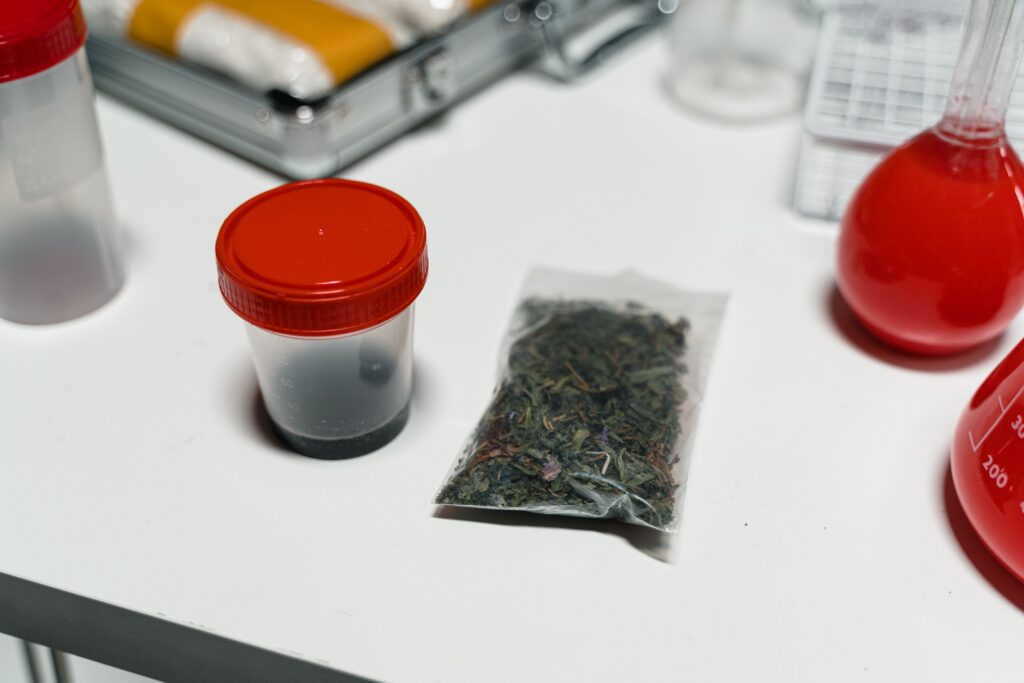
Kratom (Mitragyna speciosa) is a tropical plant from Southeast Asia. Its leaves contain compounds called mitragynine and 7-hydroxymitragynine, which interact with opioid receptors in the brain. At low doses it can act as a stimulant. At higher doses it produces opioid-like effects. Kratom is sold legally in most U.S. states but has faced increasing regulatory scrutiny due to reports of addiction, serious organ injury, and death. The FDA has not approved kratom for any medical use.
Which Kratom Brands Are Involved?
Attorneys are reviewing claims involving specific kratom brands. The product must have been purchased from a qualifying retail location, such as a head shop, smoke shop, gas station, Amazon, or big box store, before the qualifying injury occurred. This list is subject to change as the litigation develops.
Commonly Named Brands
- OPMS
- MIT 45
- Whole Herbs
- Remarkable Herbs
- Hush Kratom
- 7Ohmz
- KRATOMade
- Dr. Kratom
- Chief Kratom
- Earth Kratom
- EXP Botanicals
- Golden Monk
- Happy Hippo
- Kats Botanicals
- King Kratom
- Kraken Krave Botanicals
- Mitragaia
- NuWave Botanicals
- Other verified kratom brands (researched on a case-by-case basis)
What Injuries Are Alleged?
Organ Injuries
- Liver failure requiring hospitalization
- Liver toxicity requiring hospitalization
- Kidney failure requiring hospitalization
- Kidney toxicity requiring hospitalization
Neurological Injuries
- Multiple seizures with hospitalization and prolonged treatment
Wrongful Death
- Death of the user as a result of the qualifying product
- Death caused by another person impaired by the qualifying product
What Counts as Hospitalization for Kratrom?
For purposes of these claims, hospitalization means being formally admitted to a hospital for inpatient care, occupying a bed, and being placed under the care of hospital staff for treatment of a serious condition. This typically lasts more than 24 hours. An emergency room visit that did not result in formal inpatient admission may not meet this standard. A case review can help assess whether the level of care received qualifies.
Proof of Purchase and Documentation
You do not need to gather documents before speaking with an attorney. However, you must be able to confirm that you have, or will be able to provide, some form of proof that you purchased the qualifying product. Your attorney will work with you to gather records after your case is reviewed. This requirement may vary case by case and is subject to change.
Acceptable Proof of Purchase
- Receipts from the purchase location
- Debit or credit card statements showing the purchase
- Digital payment logs such as Venmo or Apple Pay
- Photos or videos of the product
- Surveillance footage from the purchase location
You do not need all of these. Any one verifiable record may be sufficient. You will also be asked whether you have proof of use, such as a photo or video of the injured party using the product, but this is not currently a disqualifying factor as long as proof of purchase is available.
Why These Cases Have Legal Weight
Kratom companies have spent years marketing their products in wellness packaging with language that suggests they are safe, natural, and beneficial. Plaintiffs allege that marketing was misleading because the companies knew, or should have known, that kratom contains opioid-acting compounds that carry serious health risks at the doses many consumers were taking.
What the Lawsuits Allege
- Failure to Warn: Plaintiffs allege that kratom manufacturers and distributors knew about the serious health risks associated with their products, including organ damage, seizures, and death, and failed to disclose those risks to consumers.
- Deceptive Marketing: Lawsuits claim companies marketed kratom products as safe, natural, and beneficial wellness supplements while concealing the opioid-like properties of their active compounds and the risk of serious harm.
- Products Liability: Some complaints allege that concentrated kratom products, such as liquid extracts and high-potency formulations, were defectively designed or manufactured in ways that made them more dangerous than ordinary kratom without adequate additional warnings.
- Negligent Distribution: Plaintiffs allege that brands sold products through retail channels, including gas stations and online storefronts, without implementing safeguards appropriate for a substance with known serious health risks.
Subject to Change: The brands named in this litigation, the legal theories being pursued, qualifying injuries, and the status of individual cases may all change as the litigation develops. Regulatory changes at the state or federal level may also affect the scope of these claims. This page will be updated regularly. A legal review is the best way to get current information about your specific situation.
Who May Have a Claim
A claim may be available for people who purchased a qualifying kratom brand from a head shop, smoke shop, gas station, Amazon, or big box retailer, used the product, and suffered a qualifying hospitalization-level injury or death as a result. Formal documentation of the injury must exist or be accessible.
At least 6 months must remain before the applicable state statute of limitations expires. There is no discovery rule for these cases. Filing deadlines vary by state and are subject to change.
The injured party must not currently be represented by another attorney for this specific kratom claim. You do not need records gathered before reaching out. A case review can help identify what documentation may be needed and whether your situation may qualify.
Frequently Asked Questions
Is there a minimum amount of time that I (or a loved one) would have had to use Kratom for in order to qualify for the Kratom Injury Lawsuit?
As of January 2026, there is no minimum duration of use required, and there is no minimum or maximum time gap required between product use and the injury. The injured party simply must have used the product, been diagnosed with the injury, and believe their injury may have been caused by the product they used. These criteria are subject to change.
.
Which kratom brands are included in current lawsuits and injury claims?
Brands currently named or under review include OPMS, MIT 45, Whole Herbs, Remarkable Herbs, Hush Kratom, 7Ohmz, KRATOMade, Dr. Kratom, Chief Kratom, Earth Kratom, EXP Botanicals, Golden Monk, Happy Hippo, Kats Botanicals, King Kratom, Kraken Krave Botanicals, Mitragaia, and NuWave Botanicals. Other verified kratom brands may also qualify on a case-by-case basis. This list is subject to change as the litigation develops.
Does kratom addiction or withdrawal qualify as an injury in these lawsuits?
No. A diagnosis or treatment of addiction to kratom, or a hospitalization related solely to withdrawal symptoms, does not qualify as a serious injury under current intake guidelines. Additionally, treatment at a rehabilitation facility does not count as qualifying hospitalization. The injuries being reviewed are specific serious medical events such as liver failure, kidney failure, multiple seizures, and wrongful death that required formal hospital admission. These criteria are subject to change.
Do I need a receipt or proof of purchase to file a kratom injury lawsuit?
You do not need to provide documents before speaking with an attorney. You simply need to be able to confirm that you have, or will be able to provide, some form of proof that you purchased the qualifying product. Acceptable proof includes receipts, bank or card statements, digital payment logs such as Venmo or Apple Pay, photos or videos of the product, or surveillance footage from the purchase location. Your attorney will help you gather what is needed after your case is reviewed. This requirement may vary case by case and is subject to change.
Can a family member file a kratom wrongful death lawsuit if their loved one died after using kratom?
Wrongful death claims may be available in cases where a person died as a result of using a qualifying kratom product, or where a person was killed due to the negligence of another person impaired by a qualifying kratom product. A death certificate and medical records will be important to the claim. The person filing must have authority to act on behalf of the deceased. A case review can help determine whether the specific circumstances may qualify.
How long do I have to file a kratom injury lawsuit and what are the deadlines?
Filing deadlines vary by state. There is no discovery rule exception for these cases, and at least 6 months must remain before your state’s statute of limitations expires in order to qualify under current guidelines. Michigan residents cannot currently file claims as of February 2026. If you are unsure how much time remains, reach out for a case review as soon as possible. Deadlines and state eligibility are subject to change.
How much does it cost to find out if I qualify for a kratom lawsuit?
Nothing. The case evaluation is free and confidential. If a case is accepted, attorneys work on a contingency fee basis, meaning there are no upfront costs and no legal fees unless the case results in a settlement or verdict in your favor. No outcome or recovery can be guaranteed.
Think You May Have a Case?
Our team works with people who have suffered serious injuries after using kratom products. A case review is free, confidential, and comes with no obligation.
- A brief conversation about which brand was used, where it was purchased, and what injury occurred
- No documents needed before we talk
- No fees unless your case results in a recovery
See if Your Situation Qualifies →
Deadlines vary by state and at least 6 months must remain to qualify. The sooner you reach out, the more options you may have.