


By the Editorial Staff | Updated June 2026 | No Fee Unless You Win
If your child is in crisis: Call or text 988 to reach the Suicide and Crisis Lifeline, available 24/7. You can also text HOME to 741741 to reach the Crisis Text Line.
Lawsuits allege that Minecraft, Roblox, and Fortnite were deliberately designed to keep children playing compulsively, causing serious mental health, physical, and educational harm. Attorneys are reviewing claims on behalf of children and their families.
Case at a Glance
- What’s Alleged: Companies designed video games like Minecraft, Roblox, and Fortnite with features that intentionally promote compulsive play in children, without adequate warnings to parents or users
- Who May Qualify: Children who started gaming before age 15, played at least 2 hours per day for 5 or more weeks, and suffered a documented qualifying harm
- Qualifying Games: Minecraft, Roblox, and Fortnite
- Qualifying Harms: Gaming addiction diagnosis, mental health conditions (Ex: Depression, ODD, Anxiety, ADHD) , physical injuries from gaming (Ex: Carpal Tunnel, Gamer’s Thumb, Seizures) education disruption, suicide, and more
- Cost to You: $0 upfront. Contingency fee only.
What Is the Video Game Addiction Lawsuit About?
For many parents, concern about how much time their child spends gaming has felt like a personal parenting problem. These lawsuits argue it is something more than that. Plaintiffs allege that the companies behind Minecraft, Roblox, and Fortnite did not simply make entertaining games. They allege these companies deliberately engineered their products to be as hard to stop playing as possible, especially for children and teenagers whose brains are still developing.
The specific design features at the center of these claims include loot boxes, daily reward systems, battle passes, variable reward mechanics, and constant in-game prompts designed to bring players back. Plaintiffs argue these are not accidental features. They allege these tools were built to exploit how young minds respond to unpredictable rewards, the same psychological mechanism behind gambling, and that the companies knew this and did it anyway.
These are not class action cases. Each case is an individual claim with its own facts, injuries, and circumstances. What links them is the shared allegation that the same companies used the same design playbook to hook young players, and that the harm was a foreseeable result of those choices.
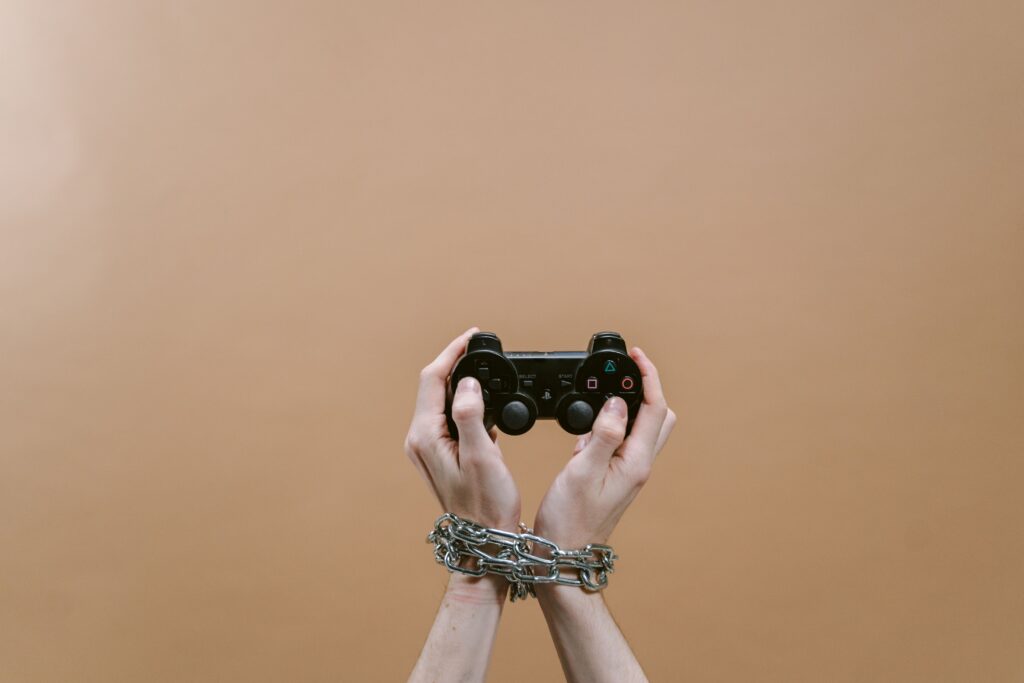
This Is About Design, Not Parenting
The core legal argument in these cases is that companies built specific features into their products that plaintiffs allege were designed to override a child’s ability to stop playing. Parents and kids are not blamed. The focus is on whether the companies had a duty to warn about those design choices and failed to meet it.
Which Games Are Covered?
Under current intake guidelines, claims are being reviewed for children who played one or more of the following games for at least two hours per day over a minimum of five weeks. The child must have started playing before the age of 15. This list is subject to change as the litigation develops.
Qualifying Games
- Minecraft
- Roblox
- Fortnite
What Harms May Qualify?
The injured party must have a formal diagnosis, documented medical or counseling treatment, or educational records that reflect a serious impact linked to gaming. The harms covered are broad and fall into several categories.
Mental Health Diagnoses
- Video gaming addiction or internet gaming disorder
- ADHD or ADD diagnosis
- Oppositional Defiant Disorder (ODD)
- Gamer’s Rage or Gamer’s Withdrawal diagnosis
- Depression
- Anxiety
- Panic disorder
- Social phobia
- Anti-Social Disorder
Physical Injuries from Gaming
- Hypertension
- Carpal tunnel syndrome
- Gamer’s thumb
- Computer Vision Syndrome or vision loss
- Trigger finger
- De Quervain’s Tenosynovitis
- Seizures
- Tennis elbow
- Neck sprain or herniation
- Changes in CT or MRI brain scans
Education Disruption
- Required homeschooling due to gaming issues, reflected in education records such as school de-registration
- High school dropout due to gaming issues
Suicidality and Wrongful Death
- Sought treatment for attempted suicide
- Death by suicide (cause of death must be listed as suicide on the death certificate)
Treatment at a Gaming Addiction Center
Seeking treatment specifically at a gaming addiction center also qualifies as a documented harm, even without a separate formal diagnosis. If a child was enrolled in a gaming addiction treatment program, that may be enough to support a claim review. An attorney can help assess whether the treatment records are sufficient.
Documentation Is Required for Every Category: Each qualifying harm must have some form of documentation. This includes medical records, therapist or counselor notes, school records, prescription history, or a death certificate. You do not need to gather everything before reaching out. An attorney can help identify what records exist and what may be needed to move forward.
Age and Eligibility Requirements
These cases are specifically centered around minors. A parent or legal guardian must sign on behalf of the child, with documentation of guardian status
The eligibility rules around age are strict and apply at multiple points in the process.
- The child must have started gaming before the age of 15
- The injured party must be under 15 years old at the time of signing
- The injured party must be at least 8 years old at the time of signing
- The injured party must not already be represented by another attorney for this claim
Wrongful Death Cases: If a child has passed away and suicide is listed as the cause of death on the death certificate, a parent or authorized representative may still be able to file a claim. The death must be linked to video game addiction. A case review can help determine whether your family’s situation may qualify.
What the Lawsuits Allege
- Negligent Design: Plaintiffs allege that Minecraft, Roblox, and Fortnite were built with specific features, including loot boxes, daily reward systems, variable rewards, and engagement prompts, that were designed to exploit developing brains and promote compulsive play.
- Failure to Warn: Lawsuits claim these companies failed to warn parents and users about the known risk of gaming addiction, compulsive behavior, and related mental health harm associated with their products.
- Targeting of Minors: Some complaints allege that the marketing, design, and in-game spending systems were specifically aimed at children and teenagers, who are less equipped to recognize or resist manipulative product design.
- Products Liability: Plaintiffs argue the games themselves were defective products because they were designed in ways that foreseeably caused harm to users without adequate safeguards or disclosures.
Subject to Change: The games included in this litigation, the companies being sued, the legal theories being pursued, and the litigation status may all change as cases develop in California’s JCCP No. 5363 and in other proceedings. This page will be updated regularly. A case review is the best way to get current information specific to your situation.
You do not need to have records organized before reaching out. A case review can help identify what documentation exists and whether the situation may qualify.
Frequently Asked Questions
Can I file for a Video Game Addiction lawsuit if my child plays Minecraft, Roblox, or Fortnite and has been diagnosed with gaming addiction?
A gaming addiction or internet gaming disorder diagnosis is one of the primary qualifying harms in this litigation. If your child started playing before age 15, played at least two hours per day for five or more weeks, and has a documented diagnosis, the situation may qualify for a case review. An attorney can assess the specific facts and records to determine whether a claim may be viable.
What mental health conditions linked to video game addiction may qualify for a lawsuit?
Qualifying mental health conditions currently under review include video gaming addiction, internet gaming disorder, ADHD or ADD, Oppositional Defiant Disorder, Gamer’s Rage or Gamer’s Withdrawal, depression, anxiety, panic disorder, social phobia, and Anti-Social Disorder. Each condition must be formally diagnosed and documented. Eligibility criteria may change as the litigation develops.
Can physical injuries caused by excessive video game use qualify for a claim?
Yes. Physical conditions that developed as a result of compulsive gaming may qualify, including carpal tunnel syndrome, gamer’s thumb, De Quervain’s Tenosynovitis, trigger finger, tennis elbow, computer vision syndrome, neck sprain or herniation, seizures, hypertension, and changes in CT or MRI brain scans. Physical treatment must be documented. A case review can help assess whether the specific injury and records may support a claim.
My child had to drop out of school or be homeschooled because of video game addiction. Does that qualify?
Education disruption is a qualifying harm under current intake guidelines. This includes being homeschooled due to gaming issues, where the gaming issues are reflected in educational records such as school de-registration, and dropping out of high school due to gaming-related problems. The connection between gaming and the educational disruption must be documented in school records or other official records.
My child stopped playing video games but not because of treatment. Can we still file a claim?
Under current intake guidelines, the injured party must either still be playing the qualifying game or must have stopped specifically because of treatment for gaming addiction. If your child stopped playing for another reason, such as losing interest or switching to a different game, the claim may not qualify at this time. This criteria is subject to change. A case review can help clarify whether your situation may still have options.
My child died by suicide and I believe video game addiction played a role. Can our family still file a lawsuit?
Wrongful death claims may be available when a child died by suicide and the cause of death is listed as suicide on the death certificate, and where the death is linked to video game addiction. A parent or authorized representative may file on behalf of the deceased child. A case review can help determine whether your family’s situation may qualify. We are deeply sorry for your loss.
How much does it cost to find out if my child qualifies for a video game addiction lawsuit?
Nothing. The case evaluation is free and confidential. If the case is accepted, attorneys work on a contingency fee basis, meaning there are no upfront costs and no legal fees unless the case results in a settlement or verdict in your favor. No outcome or recovery can be guaranteed.
Think Your Child May Have a Case?
Our team works with parents and families whose children have suffered serious harm linked to video game addiction. A case review is free, confidential, and comes with no obligation.
- A brief conversation about which games were played, how long, and what harms occurred
- No documents needed before we talk
- No fees unless your case results in a recovery
See if Your Child’s Situation Qualifies →
Cases are only accepted for children between ages 8 and 14 at time of filing. The sooner you reach out, the more options you may have.