


By the Editorial Staff . | Updated June 2026 | No Fee Unless You Win
If you are a survivor and need support: RAINN’s National Sexual Assault Hotline is available 24/7 at 1-800-656-4673 or at rainn.org. If you are in crisis, call or text 988 to reach the Suicide and Crisis Lifeline.
Survivors who were sexually abused by staff at California juvenile halls and camps may have legal options. Lawsuits allege that California counties failed to protect children in their custody. Attorneys are reviewing claims from survivors across the state.
Case at a Glance
- What’s Alleged: California juvenile halls, camps, and detention facilities failed to protect minors in custody from sexual abuse by staff members and employees
- Who May Qualify: U.S. citizens under age 40 who were detained as minors at a qualifying California facility and were sexually abused by a staff member
- Facilities Covered: Los Angeles County halls and camps, plus county juvenile halls across multiple California counties
- Landmark Settlement: Los Angeles County approved a $4 billion payout resolving thousands of juvenile facility and foster care abuse claims
- Current Status: Active litigation ongoing; claims administration continuing into 2026
- Cost to You: $0 upfront. Contingency fee only.
What Is the California Juvenile Detention Center Abuse Lawsuit About?
California’s juvenile detention system, including county juvenile halls and the network of camps run by Los Angeles County, is meant to hold young people in a supervised setting while their cases move through the justice system. These facilities operate under the full authority and control of the state and county governments. Children placed there are supposed to be safe.
Lawsuits filed across California allege that for many survivors, that was not the reality. Complaints describe sexual abuse by guards, counselors, intake staff, and other facility employees, along with a broader pattern of institutional failure: complaints that went uninvestigated, warning signs that were ignored, and abusive staff who were allowed to continue working with children.
The scale of these cases has drawn national attention. Los Angeles County approved a $4 billion settlement resolving thousands of abuse claims tied to juvenile facilities and foster care settings, widely reported as one of the largest settlements of its kind in U.S. history. A separate $30 million settlement addressed civil rights and conditions claims at Los Angeles County juvenile facilities. Both tracks of litigation continue to move forward, and new claims are still being filed.
These are individual cases, not a single class action. Each survivor’s experience, facility, abuser, and documented harm is evaluated on its own. What connects them is the shared allegation that the government entities responsible for these children failed in their duty to keep them safe.
The $4 Billion Los Angeles Settlement
In recent years, Los Angeles County resolved thousands of claims involving sexual abuse in juvenile facilities and foster care settings with a $4 billion settlement. This is widely reported as one of the largest settlements of its kind in U.S. history. A separate $30 million settlement also addressed conditions and civil rights claims at LA County juvenile facilities. Related cases across California continue to move forward, and the administration of claims has continued into 2026.
Which Facilities Are Covered?
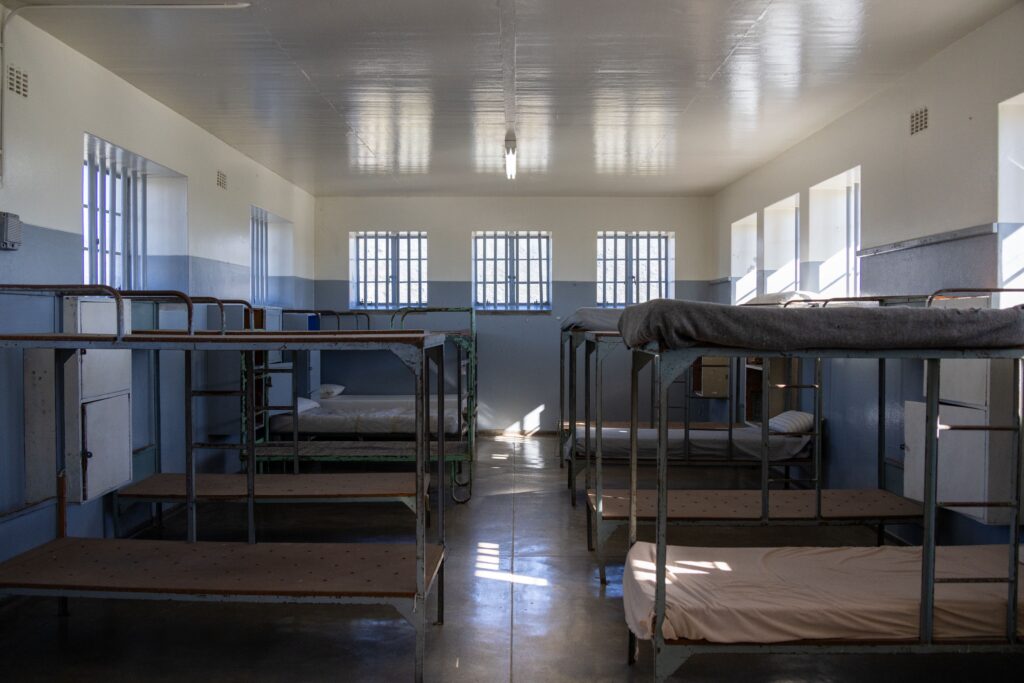
To qualify, the injured party must have been detained as a minor at one of the facilities listed below. The list covers Los Angeles County halls and camps as well as county juvenile halls across several other California counties. This list is subject to change as the litigation develops.
Los Angeles County Facilities
- Los Padrinos Hall
- MacLaren Hall
- Central Juvenile Hall
- Barry J. Nidorf Hall
- Sylmar Juvenile Hall
- Camp David Gonzales
- Camp Jarvis
- Camp Karl Holton
- Camp Kenyon Scudder
- Camp Kilpatrick
- Camp McNair
- Camp Onizuka
- Camp Resnick
- Camp Scobee
- Camp Scott
- Camp Smith
- Challenger Camps
- Fred C. Nelles Youth Correctional Facility
- LAC Afflerbaugh Paige Camp
- Southern Youth Correctional Reception Center and Clinic
Other California County Facilities
- Alameda County Juvenile Hall
- Carl F. Bryant Juvenile Hall (Nevada County)
- Lake County Juvenile Hall
- Los Guilicos Juvenile Hall (Sonoma County)
- Orange County Juvenile Hall
- Phoenix House Academy (Orange County)
- Santa Clara County Juvenile Hall
- Stanislaus County Juvenile Hall
- Solano County Juvenile Detention Center
Subject to Change: The list of qualifying facilities may expand or change as the litigation develops. If you were detained at a California juvenile facility not listed above, a case review can help determine whether your situation may still qualify.
Who May Qualify?
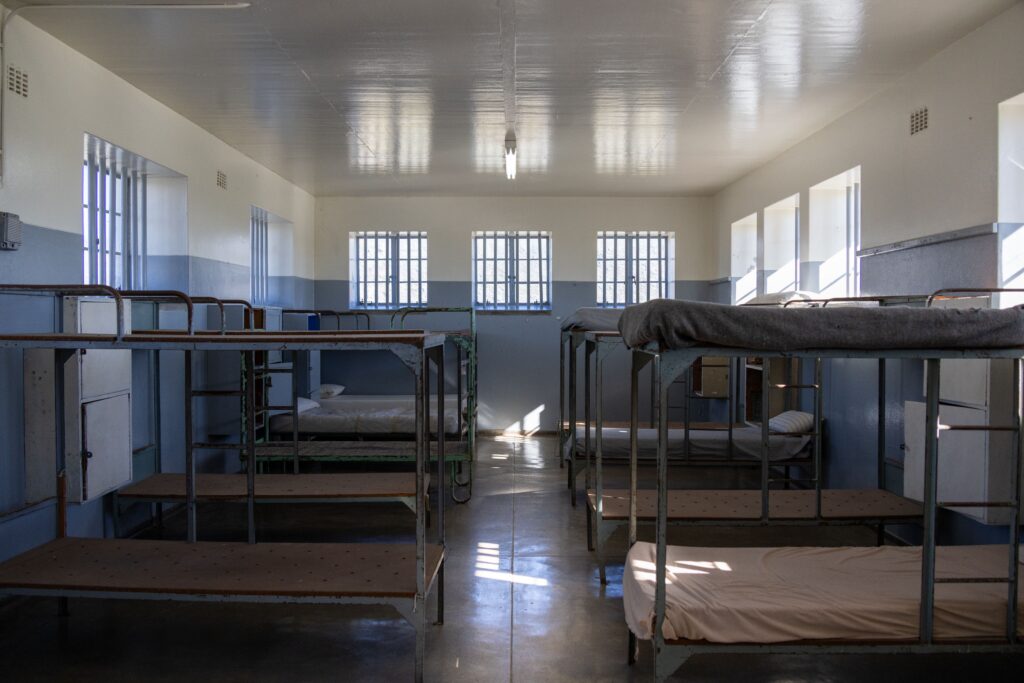
These claims have specific requirements. All of the following must apply for a claim to move forward under current guidelines. Eligibility criteria may change as the litigation develops.
General Eligibility Requirements
- Must not currently be represented by another attorney for this specific claim, and must not have previously been represented by a different attorney for this claim
- Must be a U.S. citizen
- Was a minor at the time the abuse occurred
- Must be under 40 years of age at time of intake
- Was detained as an inmate or resident at one of the qualifying California facilities listed above
- Was sexually abused by a staff member of the facility (peer-on-peer abuse only does not qualify)
- Can provide the perpetrator’s last name at minimum
- Can provide a description of the perpetrator, such as their appearance or role at the facility
- The injured party is not deceased
- Has not been convicted of murder, rape, or a sexual crime against a child
If You Are Currently Detained
If the claimant is detained but able to sign electronic paperwork, there may be limited circumstances where a review is possible. A case review can help clarify your specific situation. This criteria is subject to change.
Why These Cases Have Legal Weight
When a minor is placed in a California county juvenile hall or camp, the government assumes direct responsibility for that child’s safety. There is no parent in the facility. There is no one to appeal to outside of staff. The children in these settings are among the most vulnerable in the legal system, and the duty to protect them is well established in both state law and constitutional doctrine.
Plaintiffs allege that in facility after facility, that duty was breached. Abuse was committed by the very staff members who were supposed to ensure safety. Complaints were not properly investigated. Warning signs were ignored. In some cases, plaintiffs allege, abusive staff were allowed to continue working with children long after problems should have been identified.
The $4 billion Los Angeles County settlement and the $30 million conditions settlement that followed are not just outcomes for individual survivors. They are a signal that California courts and government entities are willing to hold institutions accountable at scale when systemic failure is alleged and documented.
What the Lawsuits Allege
- Failure to Protect: Plaintiffs allege that California counties failed in their duty to protect minors in custody from sexual abuse by staff members who had direct and unsupervised access to vulnerable children.
- Negligent Supervision: Lawsuits claim that facilities failed to adequately supervise staff, allowing abusive employees to act without detection or accountability over extended periods.
- Failure to Investigate Complaints: Some complaints allege that when abuse was reported, facilities failed to properly investigate, took no meaningful action, or suppressed reports to avoid public scrutiny.
- Negligent Hiring and Retention: Plaintiffs allege that facilities hired and retained staff who posed foreseeable risks to the children in their care, without adequate background screening or ongoing monitoring.
- Civil Rights Violations: Some claims also allege constitutional violations tied to unsafe conditions, excessive force, and the failure of government entities to protect the rights of children in their custody.
Subject to Change: The facilities covered, eligibility criteria, the legal theories being pursued, and the status of this litigation may all change as cases develop. California and county defendants may challenge claims in ways that affect how the litigation proceeds. This page will be updated regularly. A legal review is the best way to get current information specific to your situation.
Who May Have a Claim
A claim may be available for U.S. citizens who were detained as minors at one of the qualifying California juvenile facilities, were sexually abused by a staff member of that facility, are currently under 40 years of age, and are not deceased. The survivor must be able to provide the perpetrator’s last name and some description of the abuser.
Peer-on-peer abuse alone does not qualify. The abuse must have involved a staff member of the facility. Prior convictions for murder, rape, or sexual crimes against a child are disqualifying under current guidelines.
You do not need to have records gathered before reaching out. A case review is free, confidential, and can help identify what information may be needed to move forward.
Frequently Asked Questions
Can I file a lawsuit if I was sexually abused by a staff member at a California juvenile hall or camp?
You may qualify if you were detained as a minor at one of the qualifying California juvenile facilities, were sexually abused by a staff member of that facility, are a U.S. citizen currently under age 40, and can provide the perpetrator’s last name and some description of them. Peer-on-peer abuse alone does not qualify. A case review can help assess whether your specific situation may qualify under current guidelines.
Which California juvenile detention facilities are included in these lawsuits?
Qualifying facilities include Los Angeles County halls such as Los Padrinos, MacLaren Hall, Central Juvenile Hall, Barry J. Nidorf Hall, and Sylmar Juvenile Hall, as well as numerous Los Angeles County camps including Camp Kilpatrick, Camp Scott, Camp Smith, Camp Resnick, and others. Additional qualifying facilities include county juvenile halls in Alameda, Nevada, Lake, Sonoma, Orange, Santa Clara, Stanislaus, and Solano counties. The full list is on this page and is subject to change as the litigation develops.
What types of sexual abuse at a California juvenile facility have been alleged?
Alleged acts include penetration of any kind, oral sex given or received, forced masturbation, forcing two minors to perform sexual acts on each other, being forced to touch the abuser’s genitals, and being forced to watch the abuser perform sexual acts. A case review can help determine whether the specific acts you experienced meet the current standard for qualifying injury.
Does peer-on-peer abuse at a California juvenile hall qualify for a lawsuit?
Peer-on-peer abuse alone, meaning sexual abuse committed solely by another detained minor without staff involvement, does not qualify under current intake guidelines. The abuse must have involved a staff member of the facility. If staff involvement is part of the claim, such as a staff member directing or facilitating abuse between minors, a case review can help assess whether your specific situation may qualify.
What if the touching happened during a pat down or strip search at the facility?
Touching that occurred as part of a routine pat down, strip search, or standard intake procedure does not qualify on its own. To qualify, the fondling must have occurred separately from any official procedure and must have been clearly excessive and carried out with sexual intent. If you are unsure whether what happened to you meets this standard, a case review can help assess the specific circumstances.
Is there an age limit for filing a California juvenile detention abuse lawsuit?
Yes. Claimants must be under 40 years of age at the time of intake. If you are close to this age limit, reaching out immediately is strongly recommended. This criteria is subject to change as the litigation develops.
How much does it cost to find out if I qualify for a California juvenile detention abuse lawsuit?
Nothing. The case evaluation is free and confidential. If a case is accepted, attorneys work on a contingency fee basis, meaning there are no upfront costs and no legal fees unless the case results in a settlement or verdict in your favor. No outcome or recovery can be guaranteed.
Think You May Have a Case?
Our team works with survivors of sexual abuse at California juvenile detention facilities. A case review is free, completely confidential, and comes with no obligation. You will be treated with care and respect throughout the process.
- A private, confidential conversation about which facility was involved and what happened
- No documents needed before we talk
- No fees unless your case results in a recovery
See if Your Situation Qualifies →
Age limits apply and eligibility criteria may change. The sooner you reach out, the more options you may have.